
Autism understanding and inclusion
Respect identity, listen to autistic people and review the barriers in everyday environments.
Autistic people have different interests, strengths, communication styles and support needs. No single activity, resource or adjustment suits everyone.

Understanding Autism Through a Neuroaffirming Lens
Whether you're new to the concept of neurodiversity or already on the inclusion journey, our Autism resources support you to:
Understand autism as a neurotype, not a disorder
Recognise and support sensory and communication differences
Honour special interests as strengths
Let go of language that shames or pathologises autistic people
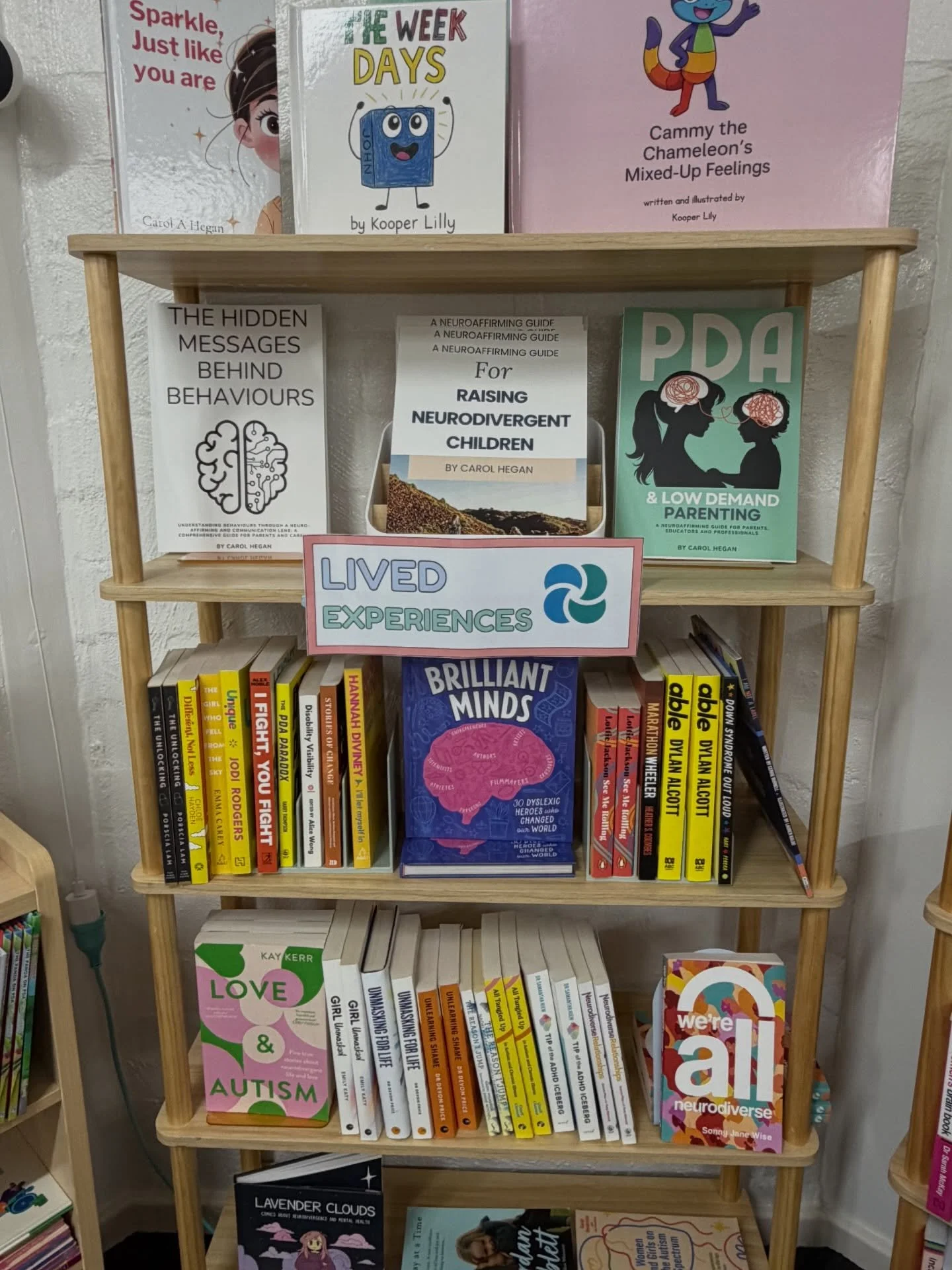
Value lived experience as expertise
Begin with the person
Ask about preferences and provide different ways to communicate.
Support choice about participation, interaction and the information shared with others.
Look at the environment
Consider sensory conditions, communication, routines, expectations and the availability of breaks.
A useful change may involve making information clearer, offering another participation option or adjusting how an activity is organised.
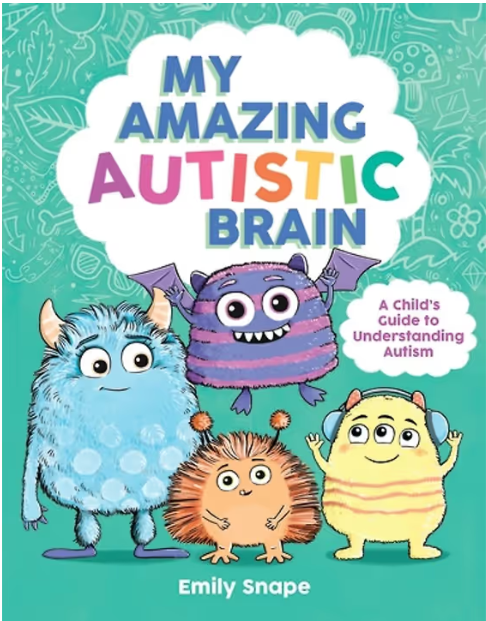
Resources for schools and community settings
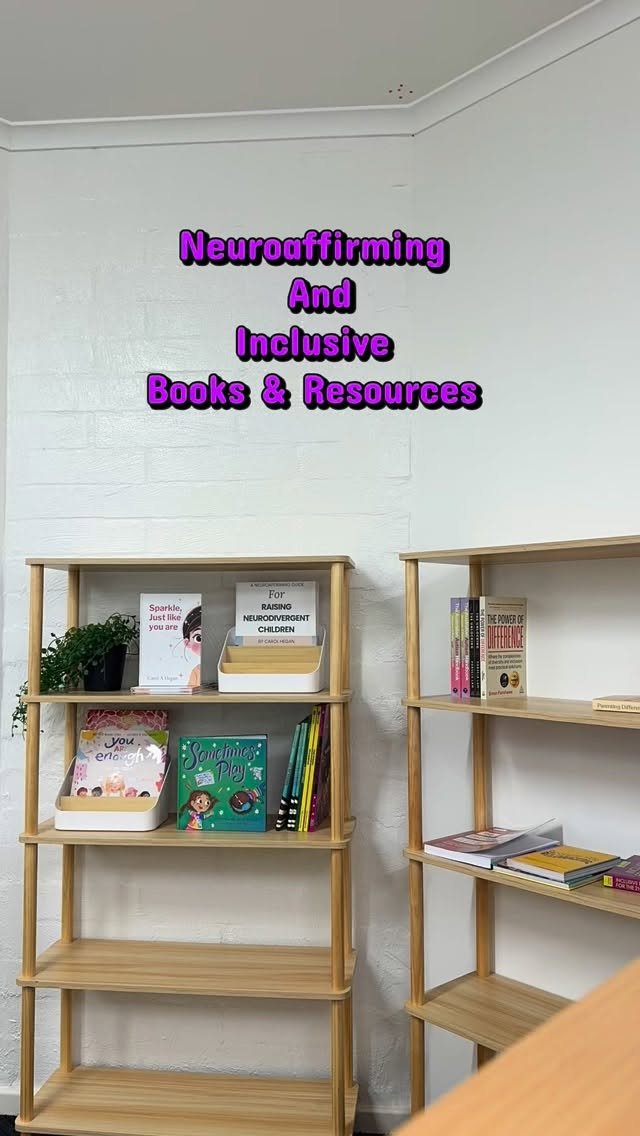
Explore tools for learning profiles, student participation and reviewing inclusive practice.
Use resources alongside the person’s perspectives and circumstances.
Access Resources for School and Early Learning Settings
Learning for your team
Our training and consulting can help organisations reflect on everyday practices and plan changes.
Nothing About Us Without Us
Throughout April, we spotlight autistic voices—children, teens, adults, and families—sharing what autism really looks and feels like, in their own words in support of World Autism Month.
Follow along on [@theinclusivemovement] and use the hashtag #AutismInOurOwnWords to share your own lived experience.
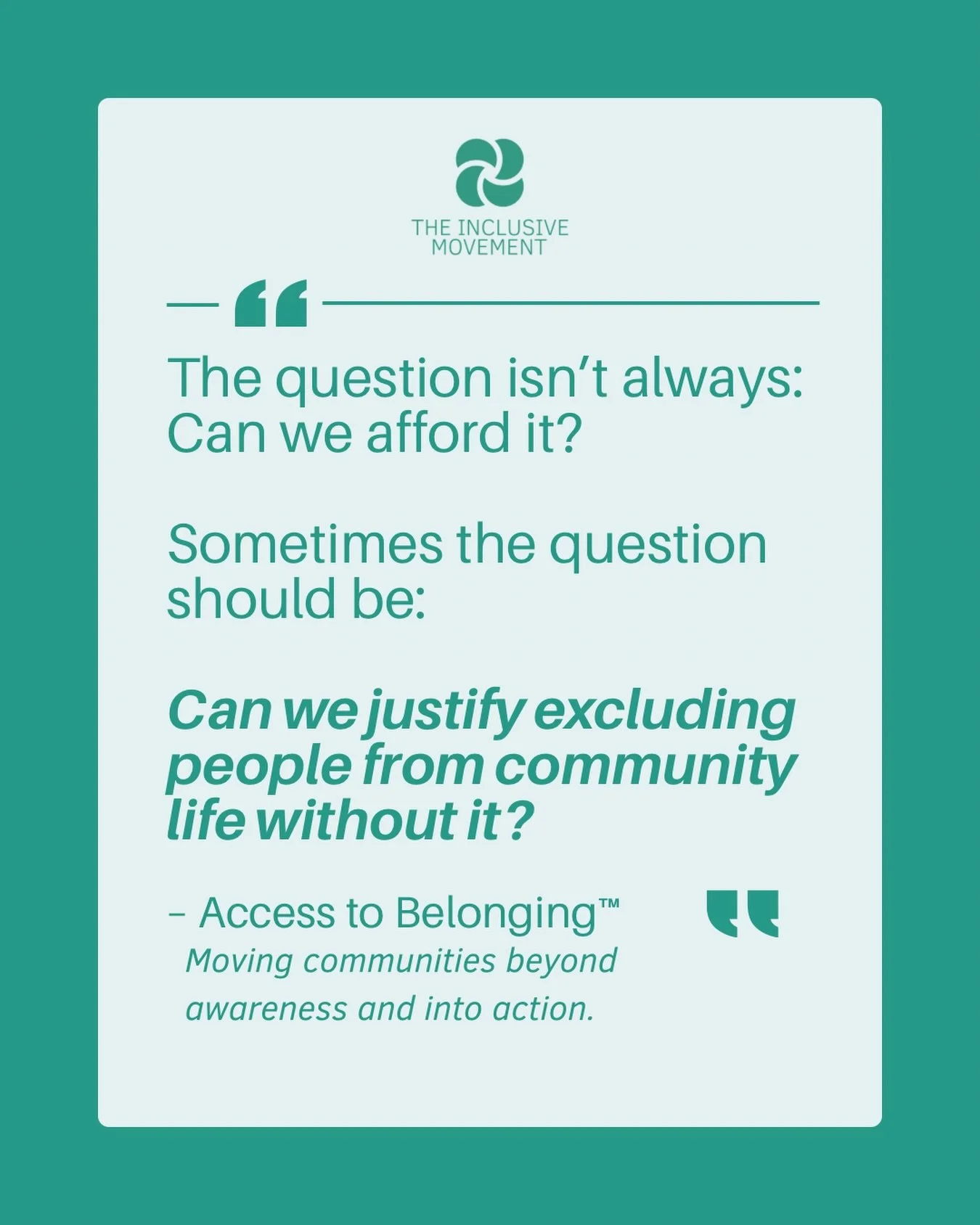
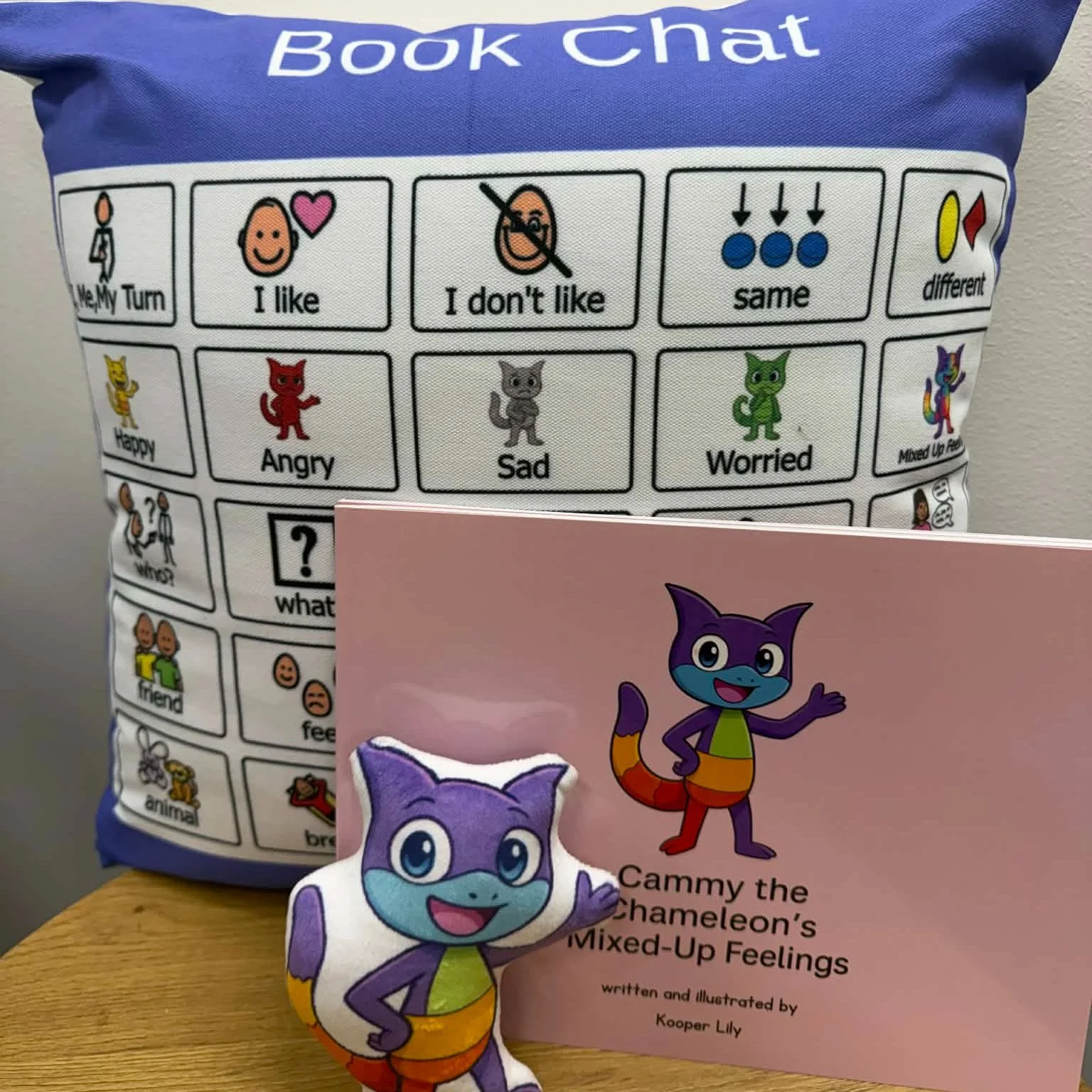



Download our Campaign Resources

Looking for individual services?
Visit Grow Therapy Services to explore its current services and enquiry options.