Books, communication tools and inclusion resources
Explore products for home, learning, work and community settings.
Browse books, communication tools, practical resources and digital downloads.
Childrens Books
Find children’s books and titles for parents, carers and professionals.
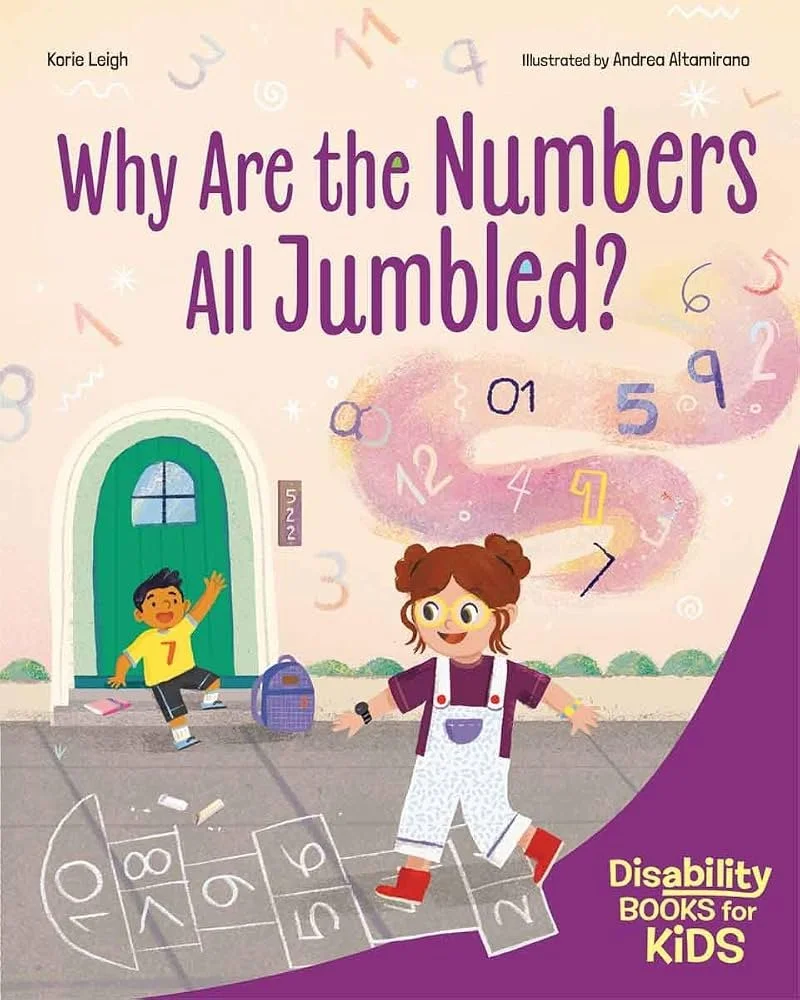
A child reflects on her struggles, strengths, and experiences with dyscalculia In Why Are the Numbers All Jumbled?, a young girl tells us about her life with dyscalculia. She loves to run races and act in plays. And, like everyone with dyscalculia, her brain processes numbers differently than most people. She has learned some great tools for helping with math problems, like drawing pictures so she can see how numbers work. Some of her classmates don't understand why she needs help, but she isn't concerned-she knows that everyone needs help sometimes. And dyscalculia is just one part of what makes her the wonderful, unique kid she is. Why Are the Numbers All Jumbled? Draws on the author's experience with dyscalculia for authentic representation Follows a young girl with dyscalculia, who explains her experience with numbers, as well as her talent for words and solving big-picture problems Celebrates disability joy and offers an empowering self-representation for kids with dyscalculia Helps children develop empathy and understanding with first-person storytelling from a child's perspective
The Disability Books for Kids series explores visible and invisible disability in the first person, as seen through the eyes of children and written from personal experience. The series builds allyship, challenges ableism, and celebrates difference, empowering and educating all readers. Each book includes an author's note to the reader.
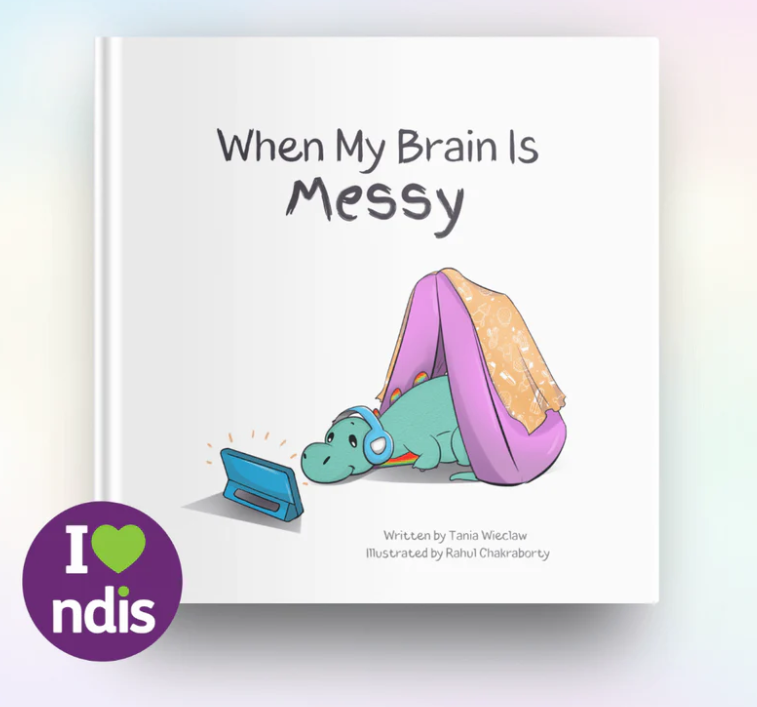
A children’s picture book about autism and how to regulate BIG emotions related to sensory processing differences.
rhyming story filled with colourful illustrations, “When My Brain Is Messy” is about a young autistic dinosaur who experiences BIG emotions from sensory processing differences, offering age appropriate coping techniques to help achieve emotional regulation.
“When My Brain Is Messy” is written from the young dinosaur's point of view, using simple words that are easy for kids to understand - Suitable for ages 2-8 years.
Sensory differences covered and explained -
Racing thoughts
Overstimulation
Executive dysfunction
Sensitivity to sound
Sensitivity to light
Sensitivity to touch
Deep pressure seeking
A Colorful Journey into Autism - Opening Discussions, Acceptance, and Learning
Watch as the dinosaur's tummy transforms into a rainbow when feeling regulated, introducing kids to the concept of emotional regulation.
Recommended by psychologists, occupational therapists, and teachers.
Printed in Victoria, Australia
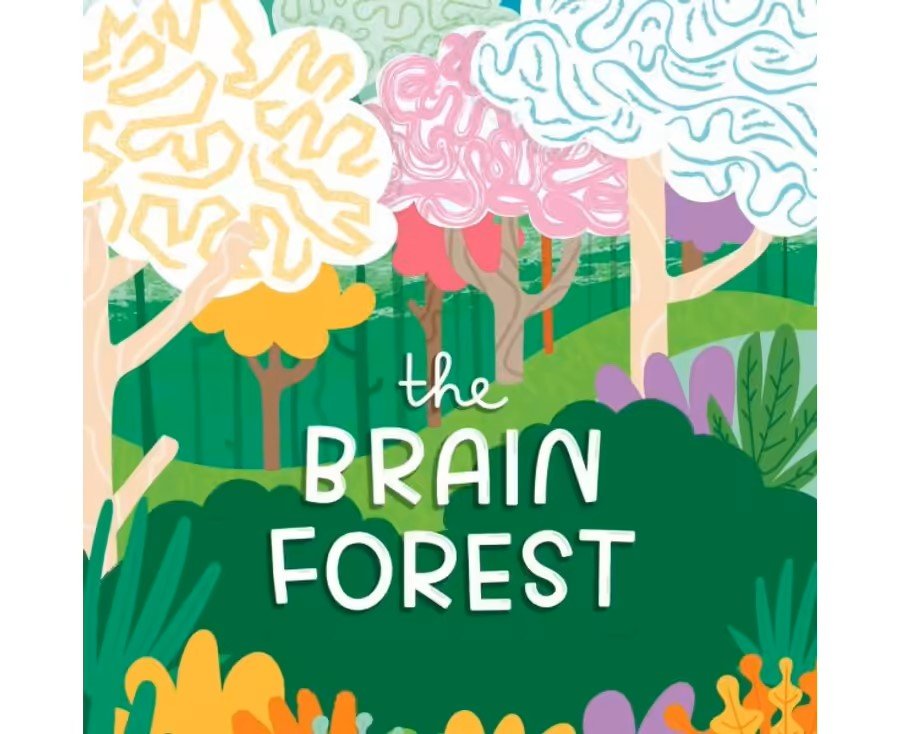
Come explore The Brain Forest, which follows a mother and her son down the path of understanding the different ways brains can be.
Brains that go fast, brains that go slow, brains that do what they're told, brains that say NO!
A heart-warming read that helps celebrate neurodiversity without dismissing its challenges, and centers around building a strengths-based society where everyone is valued for what they have to offer.
This book helps start conversations and offers ideas to the reader about what they can do to create more inclusive environments.

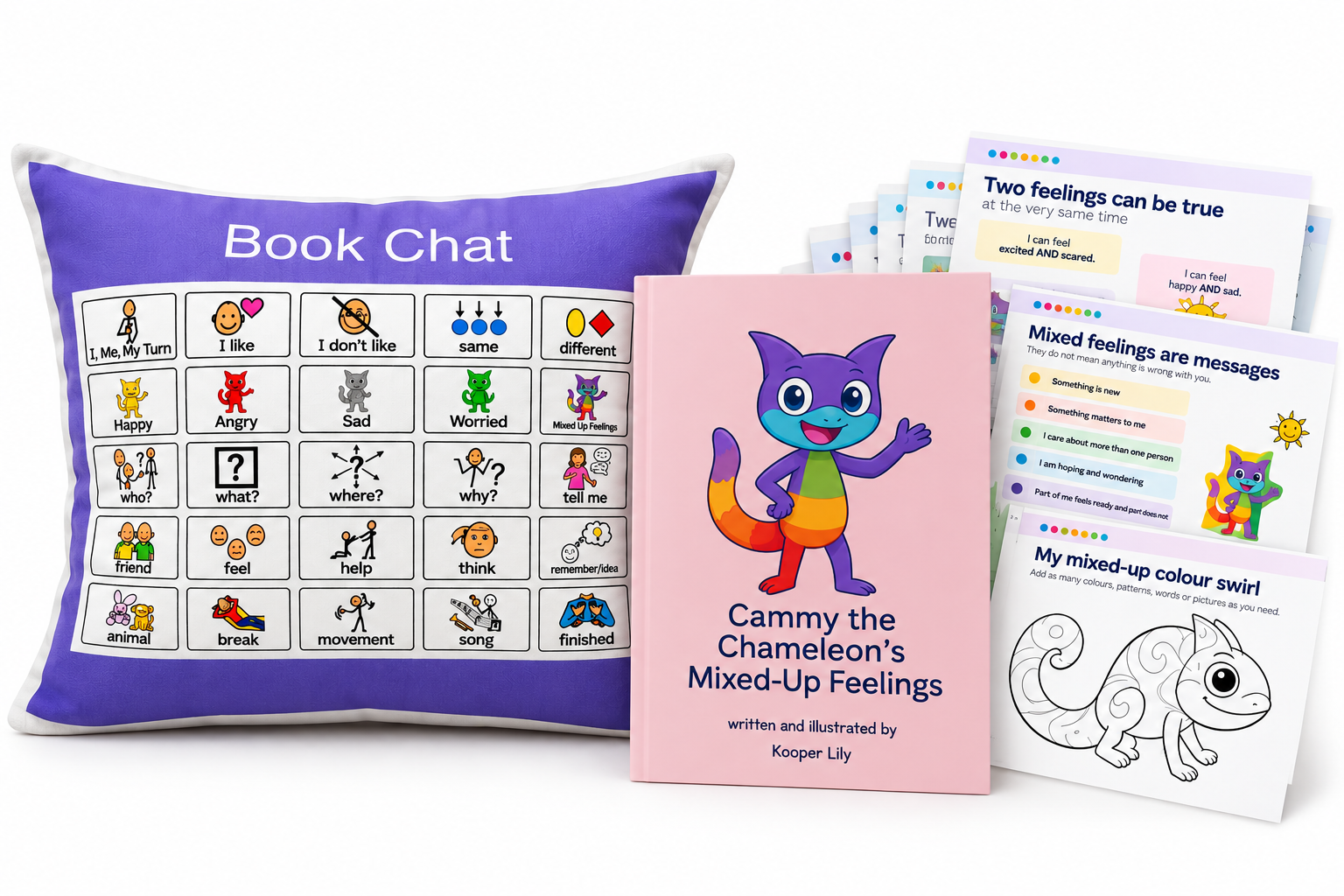
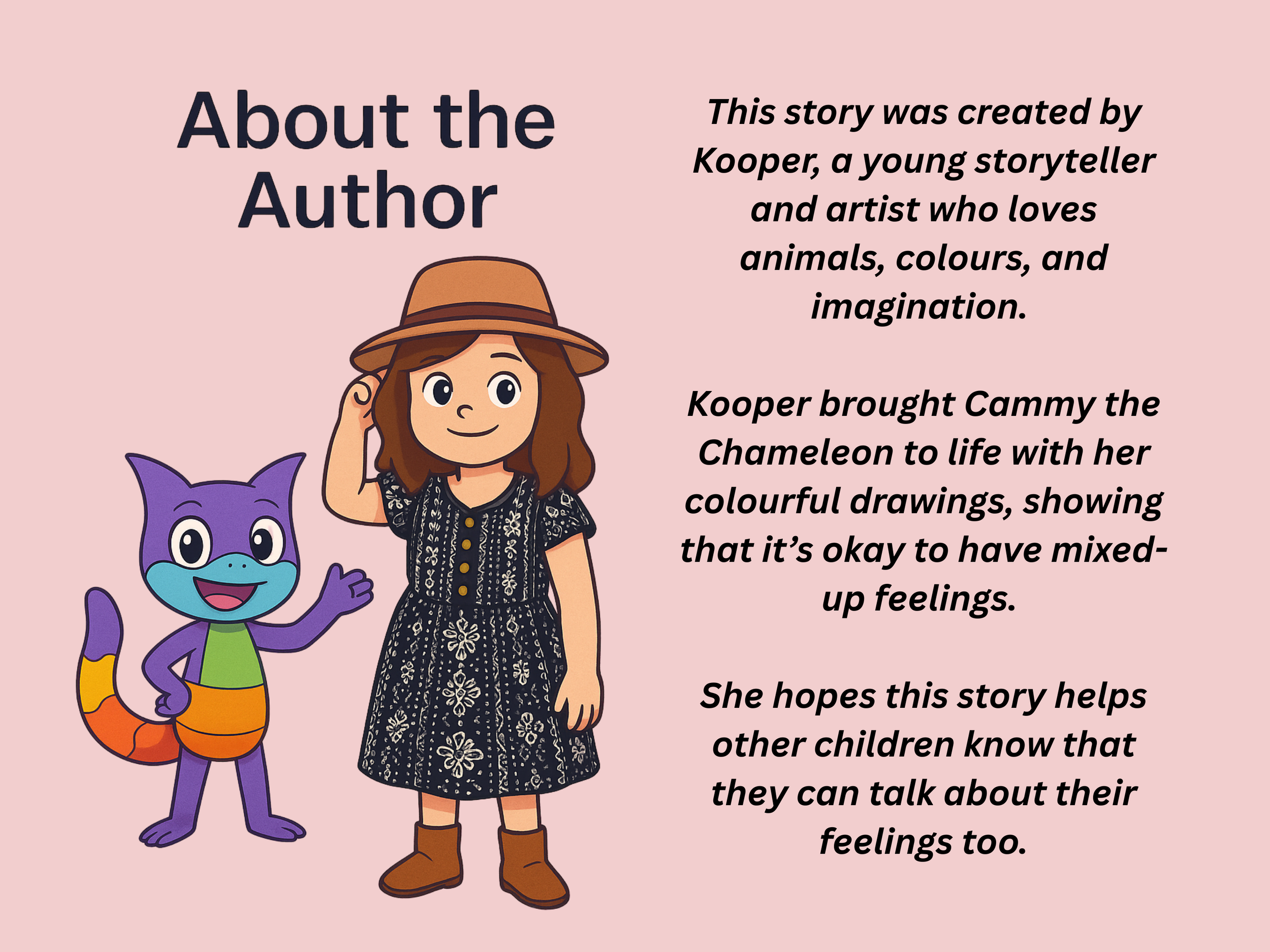
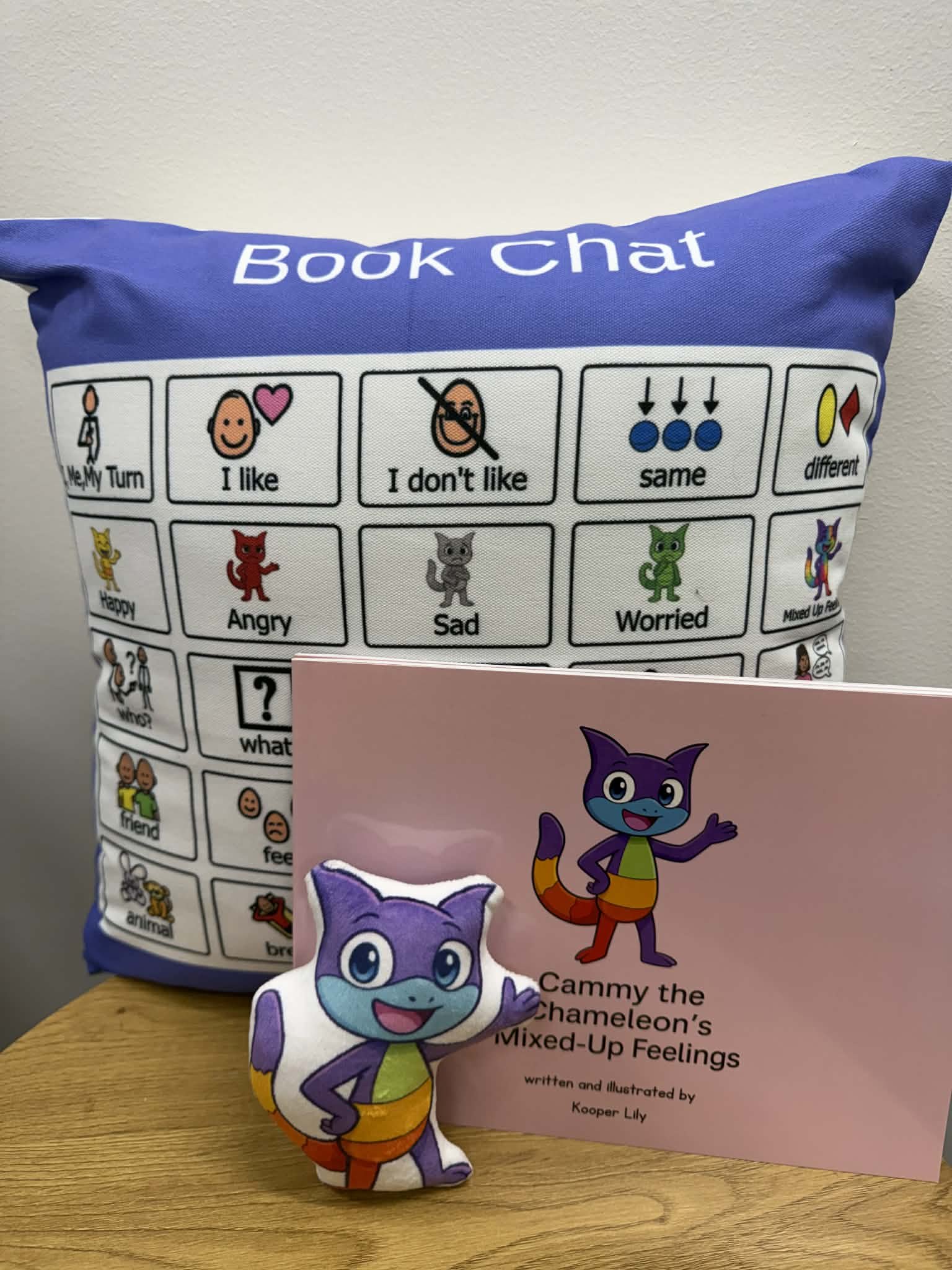
A heartwarming, neuroaffirming story about emotions that don’t come one at a time! Join Cammy and her colourful animal friends as they explore what it means to feel two things at once — like happy and nervous, excited and scared. Created by Kooper Lily — a young autistic and ADHD storyteller, this book is perfect for helping kids aged 4–9 understand their big, mixed-up feelings in a safe, inclusive way.
✔️ Easy to understand
✔️ Great for neurodivergent kids
✔️ Supports emotional literacy
Communication Tools
Explore products that offer additional opportunities to communicate during everyday activities.
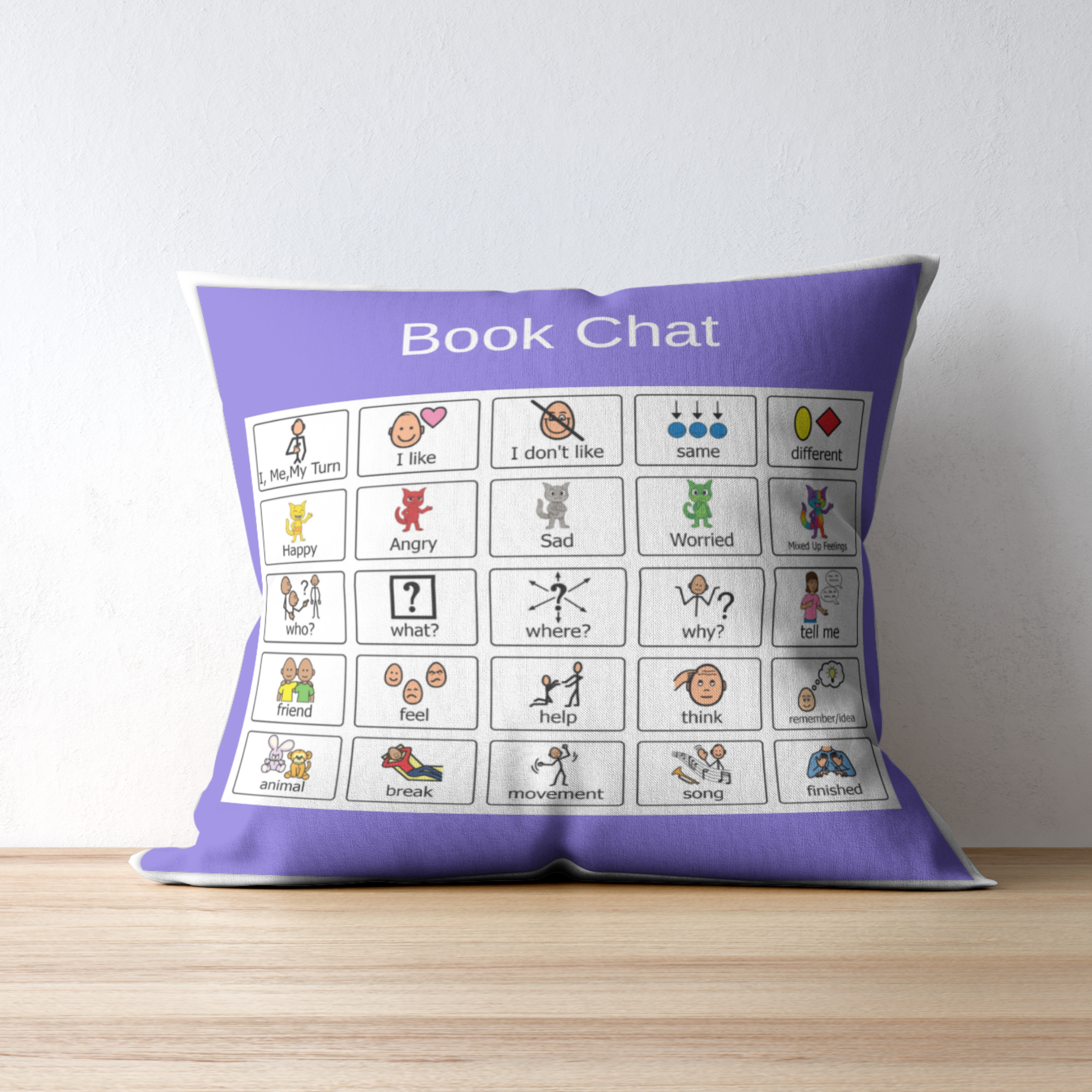
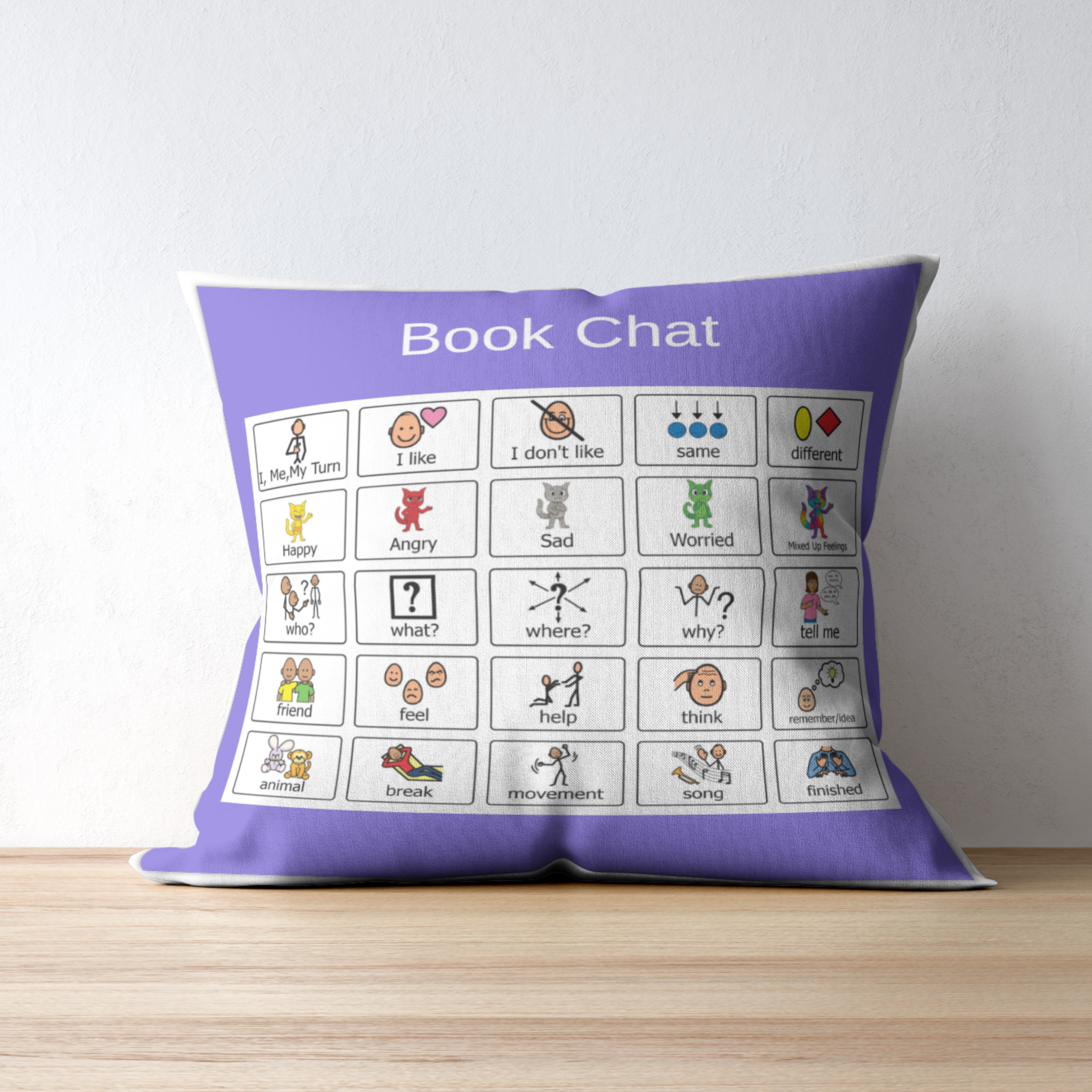
Support communication, connection, and meaningful conversations during story time with our Cammy AAC Book Chat Pillow Case — inspired by Cammy the Chameleon’s Mixed-Up Feelings by Kooper Lilly.
Designed with a simple and accessible AAC-style communication board, this soft and colourful pillow case encourages children to share their thoughts, feelings, preferences, and ideas while reading books together.
The visual symbols help create natural opportunities for:
emotional expression
connection and shared attention
communication development
book comprehension
turn-taking and conversation skills
neuroaffirming, low-pressure interactions
Featuring symbols such as:
“I like” / “I don’t like”
happy, worried, sad, angry
same/different
who, what, where, why
help, break, movement, song
mixed-up feelings
The Cammy Book Chat Pillow Case can be used:
during shared reading time
in therapy sessions
in classrooms and libraries
as part of calming or connection spaces
alongside AAC and visual communication supports
Created from a neuroaffirming and inclusive lens, this resource is designed to support all communicators — including autistic, ADHD, neurodivergent, and emerging communicators — in a playful, meaningful, and accessible way.
✨ Pair it with Cammy the Chameleon’s Mixed-Up Feelings book and plushie for the ultimate sensory-friendly story time experience.
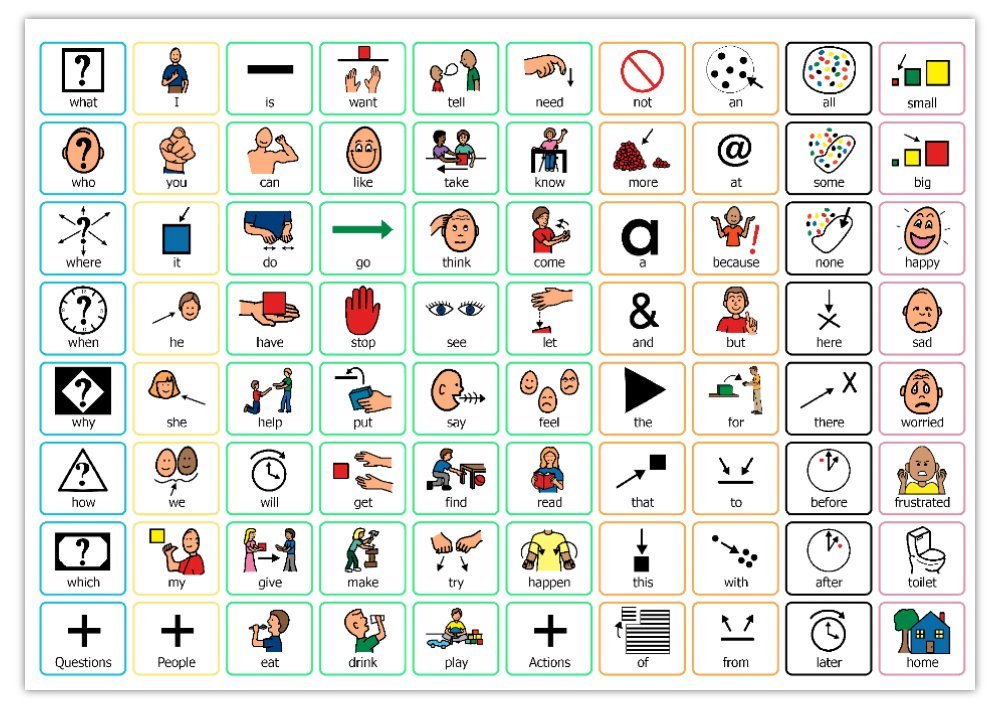
Our Large A1 Foam Communication Boards are an essential tool for enhancing communication for those with complex communication needs. Its large size and clear symbols make it ideal for group settings, such as classrooms or therapy sessions. Lightweight and durable, it's easy to transport and use in various environments.
Features:
Large, easy-to-read symbols
Lightweight and portable
Suitable for educational and professional settings
Customise to suit your home or business
Please Note: This item is Shipped on demand and may take 2 weeks for delivery once design is approved.

Unlock the power of communication with our versatile 6 Pack of A4 Activity Communication Mats. Designed to support early childhood centers, schools, therapy providers, and family homes, these mats provide engaging and interactive ways to enhance communication and learning.
Included Activities:
Thinking/Feeling Mat: Helps children express emotions and thoughts.
Playdough Mat: Encourages creativity and tactile exploration.
Lego Mat: Supports fine motor skills and imaginative play.
Painting Mat: Fosters artistic expression and colour recognition.
Core Word Board: Builds foundational language skills, providing choices and decision-making opportunities.
Qwerty Keyboard Mat: Introduces typing and letter recognition, while allowing the opportunity to spell out words not available to them.
Features:
Durable, easy-to-clean material
Portable and lightweight for use anywhere
Bright, engaging visuals to capture attention
These mats are perfect for creating inclusive environments where every child can express themselves and participate in activities. Enhance learning and communication with this comprehensive set!
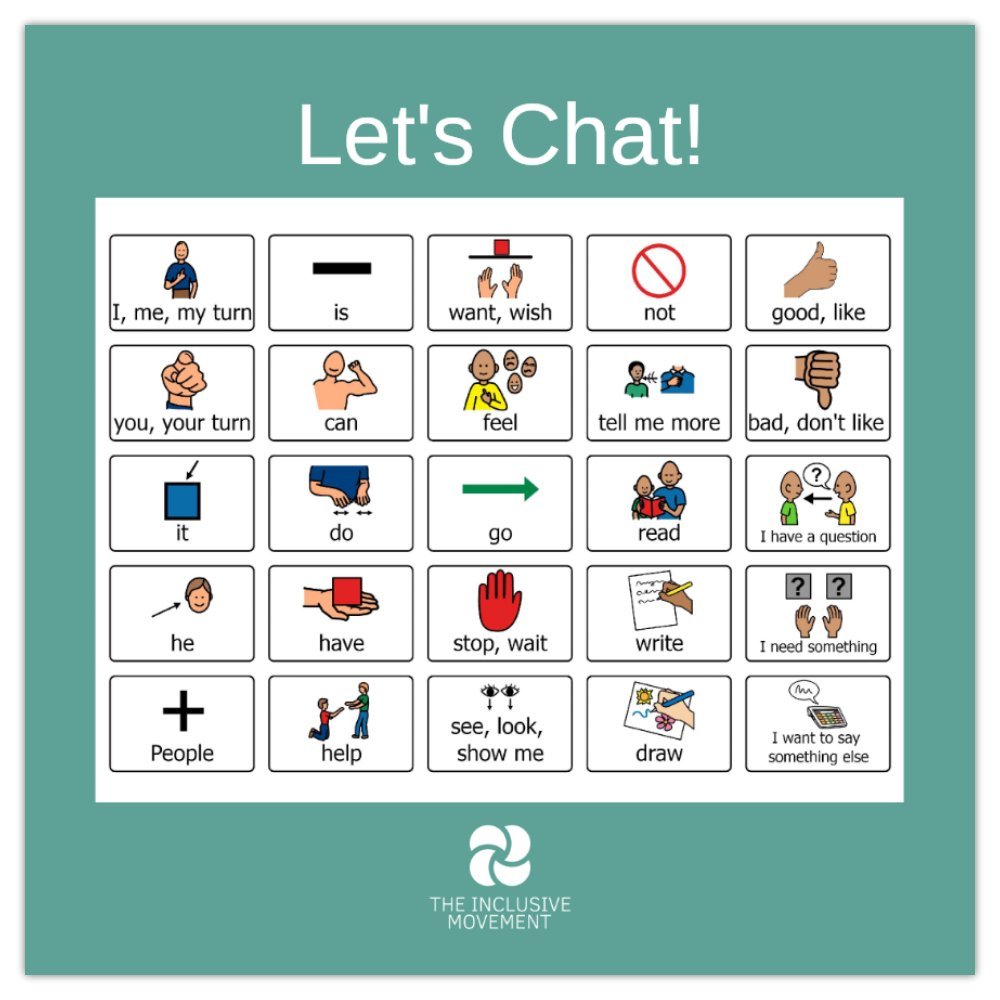
Transform any pillow into a communication tool with the Let's Chat! Communication Pillow Case. Designed to support individuals with complex communication needs, this pillowcase features easy-to-understand symbols and phrases. Perfect for family homes, educational settings, and workplaces, it encourages interaction and expression in a comfortable setting.
Features:
Durable and washable material
Clear, high-contrast symbols
Encourages communication in a relaxed environment
47cmx47cm
Digital Resources
Browse printable tools, information and activity resources.
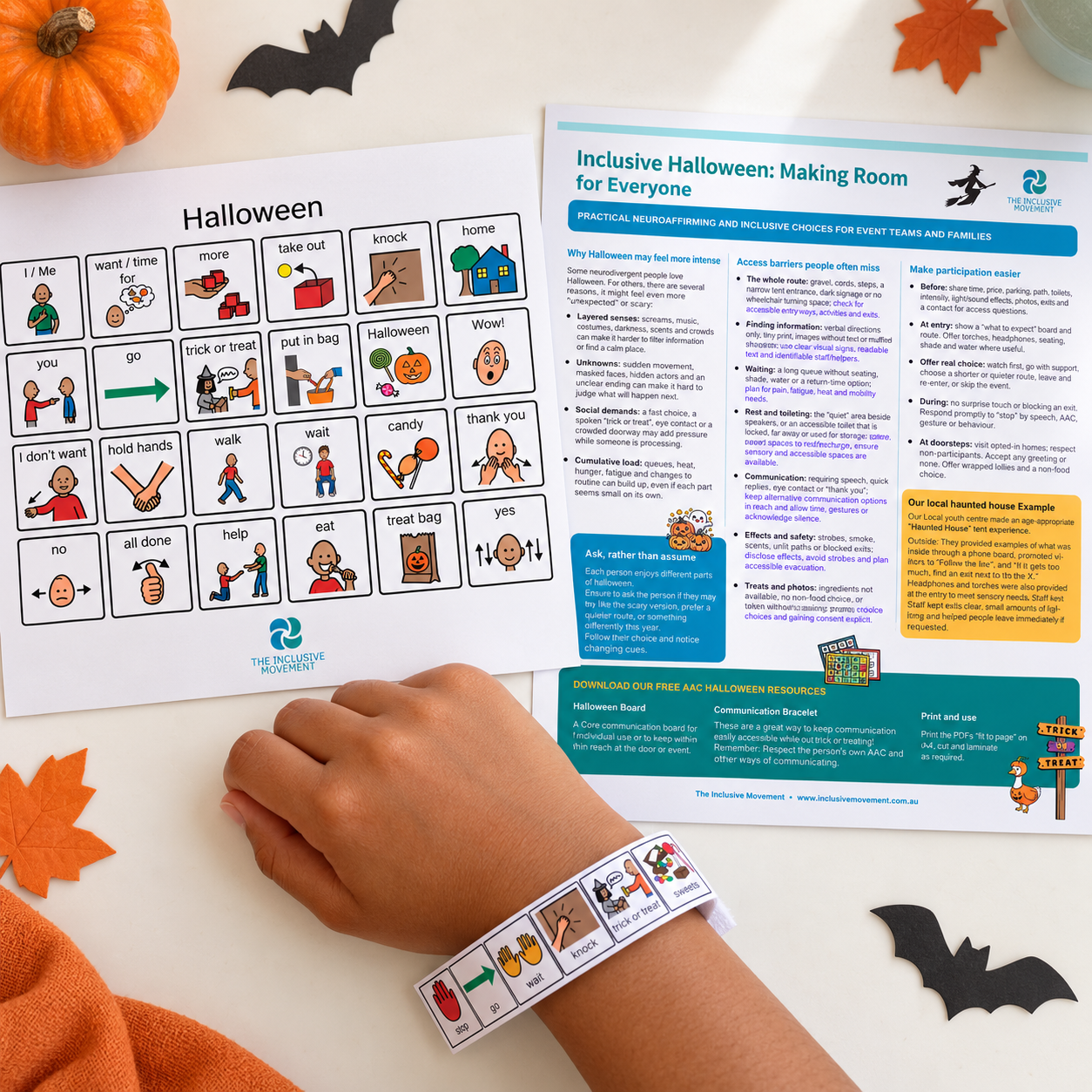
Free Halloween communication and inclusion pack
Practical printable resources for offering more communication and participation choices at Halloween activities.
What is included?
A landscape communication board.
Printable communication bracelets.
A short guide to inclusive Halloween participation.
Ways to use the pack
Make the communication options available before and during activities.
Offer choices about approaching a house or activity, receiving an item, taking a break and leaving.
Respect the person’s preferences and keep their usual communication system available.
Flexible participation
People may enjoy Halloween in different ways.
Some may want costumes, busy activities and surprises. Others may prefer familiar clothing, predictable information, quieter options or watching from a distance.
Use the guide to consider changes in the environment and expectations.
Format and cost
This is a free digital resource for printing.
Check the access instructions below to get the files.
Need help?
Contact info@inclusivemovement.com.au if you have difficulty accessing the resource.

Feel confident in raising your neurodivergent child—without shame, fear, or outdated advice.
Download Raising Neurodivergent Children: A Neuro-Affirming Guide for just $19.99 and access a powerful, supportive resource grounded in lived experience, research, and inclusive practice.
What you’ll get:
A 30-page easy read eBook, written by a neurodivergent parent and professional, packed with practical tools and strategies for affirming your child’s identity
Guidance across 19 comprehensive topics, from understanding behaviour and communication to navigating puberty, school, and the NDIS
Real-life insights and affirming language to help you feel empowered, connected, and ready to advocate
Bonus resources and reflection prompts for personalising the strategies to your family’s needs
Please note:
This is a digital product. You will receive an instant PDF download upon purchase
No physical shipping required
Ideal for parents, carers, educators, and allied health professionals



Help with an order
Visit Shop Help or contact us about a product, delivery, download or access question.