
Welcome to our
Inclusive Parent & Carer Hub

Your trusted space for clarity and confidence

Caring for someone with disability can be deeply rewarding and comes with its own challenges. This hub is here to help lighten the load by offering clear, family-centred tools and resources that make navigating education, NDIS, and everyday life simpler. Each resource is designed to strengthen your confidence, your voice, and your connection with your child’s team.

Explore these practical, easy to use tools
to help you advocate effectively and create
a more inclusive life for your family.

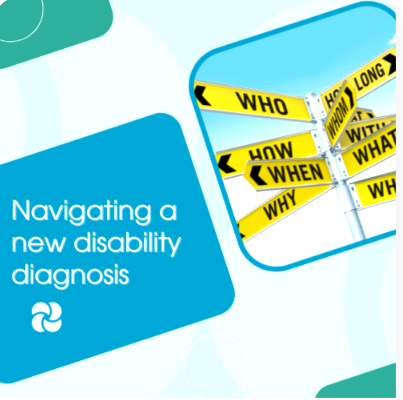
  • Cover slide for a presentation titled 'Navigating a new disability diagnosis' with an illustration of yellow and black caution tape with words like 'WHO,' 'WHEN,' 'WHY,' 'WHAT,' and 'LONG'

    Navigating a New Disability Diagnosis

    Guidance and emotional support for families adapting to a new diagnosis.

    View Here

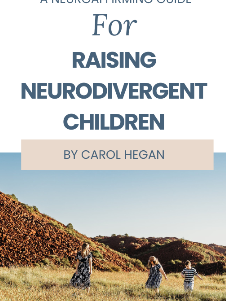
  • Book cover titled 'A Neurodiversity Guide For Raising Neurodivergent Children' by Carol Hegan, with an outdoor scene of children walking in a grassy field against a blue sky.

    Raising Neurodivergent Children

    Insight and strategies for parenting with understanding and empathy.

    Download

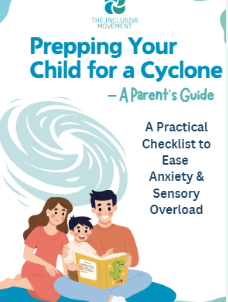
  • Cover page of a parent’s guide titled 'Prepping Your Child for a Cyclone' with illustrations of a family reading together and a stylized cyclone graphic in the background.

    Prepping Your Child for a Cyclone

    A resource to help you prepare and support your child through change.

    Download

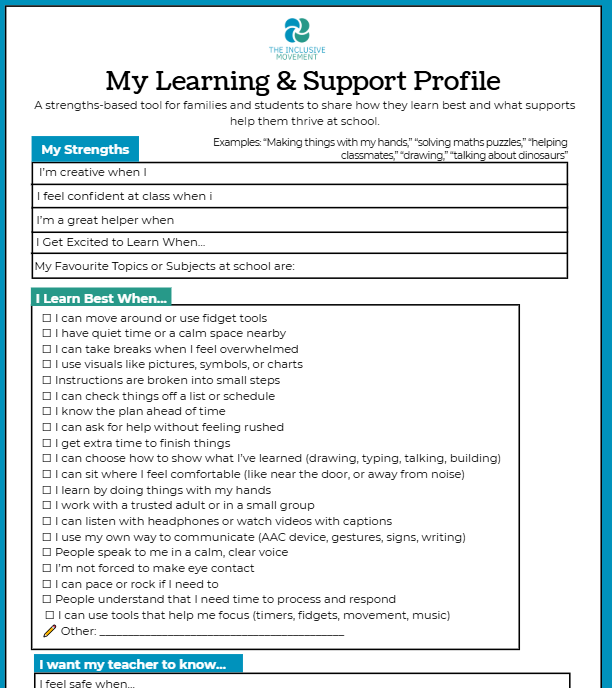
  • A detailed learning and support profile form from The Inclusive Movement, designed for families and students to identify learning strengths and support needs, with sections on strengths, best learning strategies, and areas to inform teachers.

    My Learning & Support Profile

    A strengths-based planning tool to share your child’s learning needs.

    Download

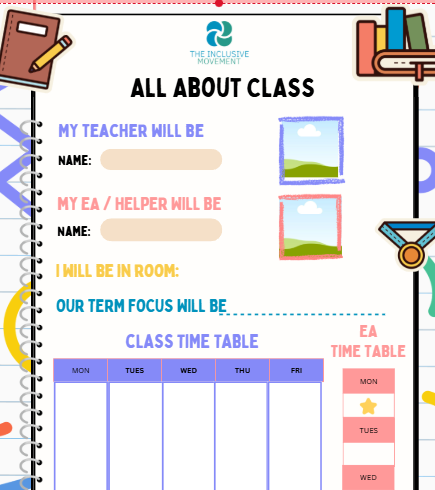
  • Class schedule and information sheet titled 'All About Class' with sections for teacher's name, helper's name, room number, term focus, and class timetable. It features colorful icons of books, a pencil, a medal, and a star.

    All About Class

    Prepare your child for a new school term with a simple readiness tool.

    Download

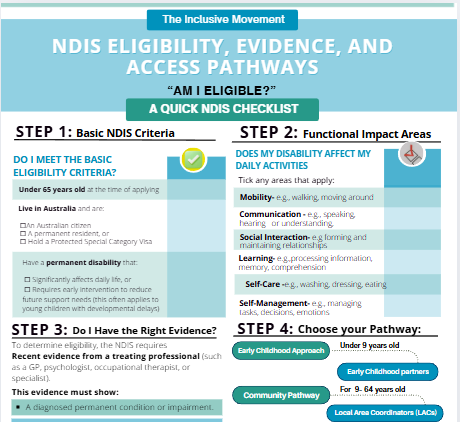
  • Infographic titled "The Inclusive Movement: NDIS Eligibility, Evidence, and Access Pathways" showing four steps for NDIS eligibility and assessment. Step 1: Basic NDIS Criteria with live in Australia, permanent disability, and age requirements. Step 2: Functional Impact Areas including mobility, communication, social interaction, learning, self-care, and self-management. Step 3: Evidence requirements for diagnosis or impairment. Step 4: Pathways for early childhood, community, and local area coordination, suitable for children under 9 and ages 9-64.

    NDIS Eligibility and Access Pathway

    Understand how to apply for NDIS and what supports are available.

    Download

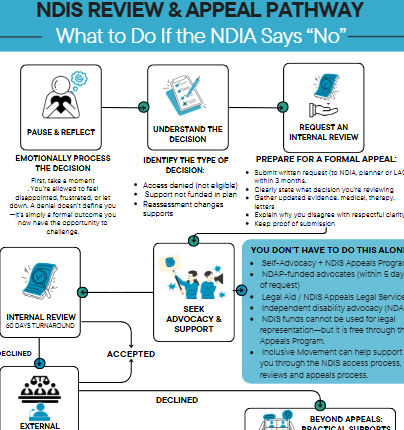
  • Flowchart titled 'NDIS Review & Appeal Pathway' outlining steps for challenging an NDIA decision, including pause & reflect, understand the decision, request an internal review, seek advocacy & support, and beyond appeals.

    NDIS Review and Appeal Pathway

    Know what to do if your NDIS application or plan is declined.

    Download

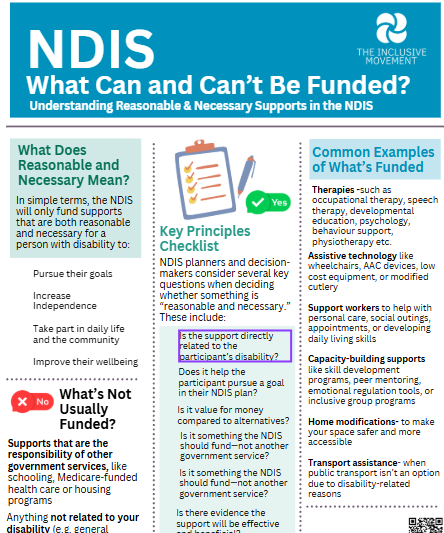
  • Title of informational poster about NDIS funding, with 'What Does Reasonable and Necessary Mean?' and checklist for key principles.

    What Can Be Funded: NDIS Factsheet

    Learn how to identify reasonable and necessary supports.

    Download

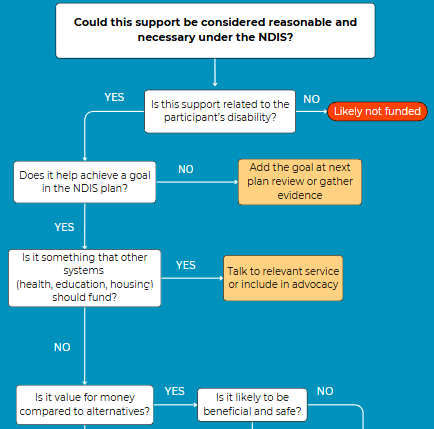
  • Flowchart diagram questioning if a support under the NDIS is reasonable, necessary, disability-related, helpful for achieving goals, and cost-effective, with decision points leading to actions or notes about funding.

    Reasonable & Necessary Tree Flowchart

    A visual guide to understanding what the NDIS may fund.

    Download

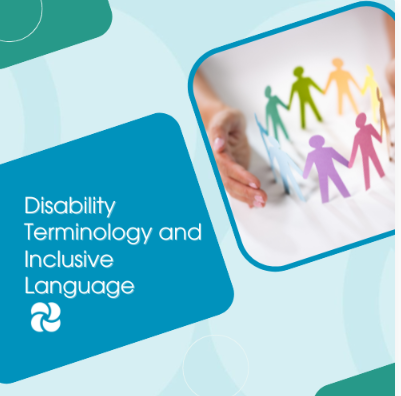
  • Book cover titled 'Disability Terminology and Inclusive Language' with an image of multicolored paper cutout figures holding hands.

    Disability Terminology & Inclusive Language

    Learn how to communicate in empowering, inclusive ways.

    View Here

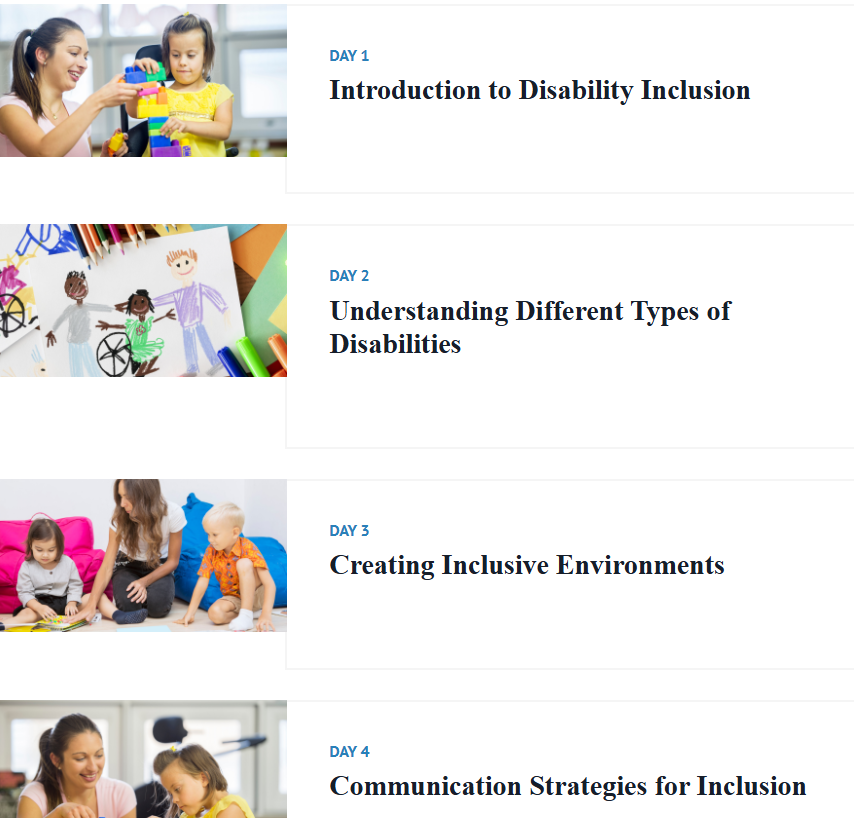
  • A woman and two young girls playing and smiling in a classroom or therapy setting.

    5-Day Disability Inclusion Basics

    A practical introduction to inclusion for families and carers.

    Download

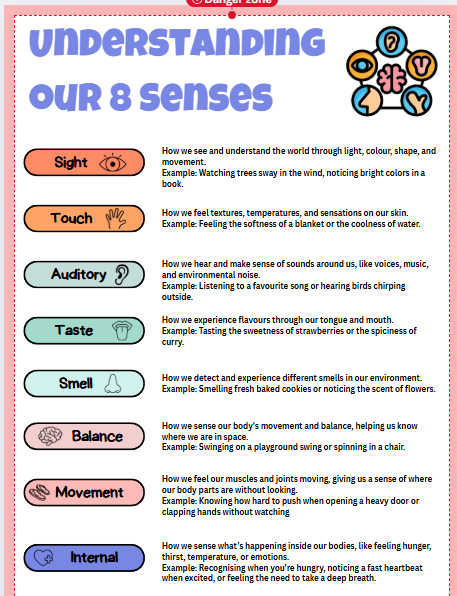
  • Infographic explaining the 8 human senses: sight, touch, audition, taste, smell, balance, movement, and internal sensations, with descriptions and examples for each.

    Understanding Our 8 Senses Sheet

    Understand your child’s sensory profile and how it affects learning.

    Download