
Welcome to our
Inclusive Community Hub

Practical inclusion that lasts

You’re committed to creating spaces where everyone can participate and belong. This hub gives you access to practical, ready to use resources that help your team build confidence, reduce barriers, and implement inclusion in real settings, without adding to your workload.

Explore these tools and guides to start
embedding inclusion into everything you
already do.

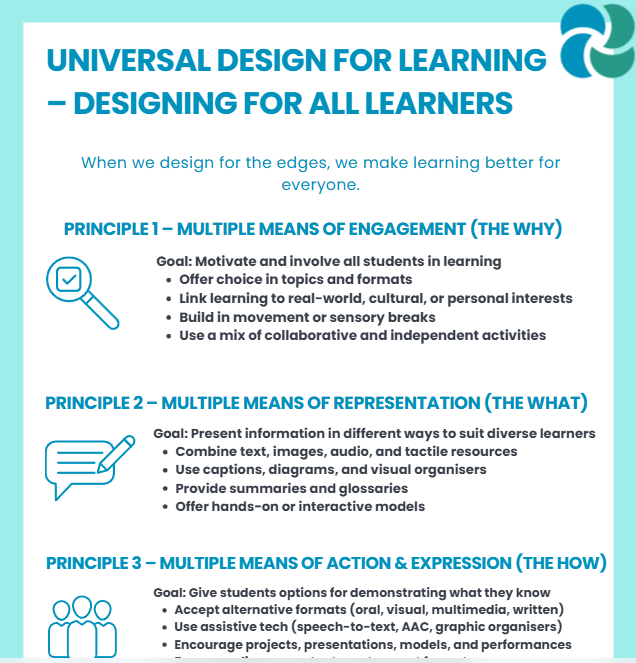
  • Poster titled "Universal Design for Learning - Designing for All Learners" with three principles: multiple means of engagement, representation, and action & expression, including goal descriptions and key strategies.

    Universal Design for Learning (Quick Reference Sheet)

    Principles for designing learning that works for everyone.

    Download

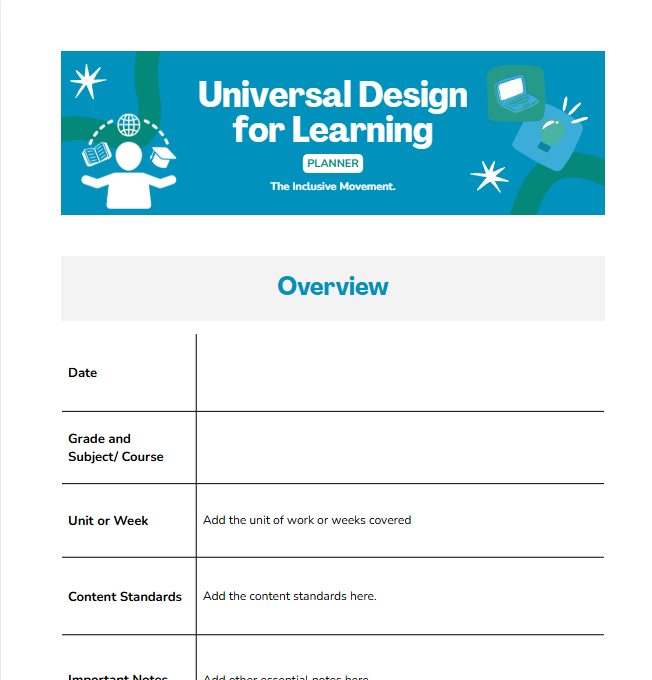
  • Cover page of a Universal Design for Learning planner with an overview section, including fields for date, grade and subject, unit or week, content standards, and notes.

    Universal Design for Learning (Planner Doc)

    Plan inclusive lessons that meet the needs of diverse learners.

    Download

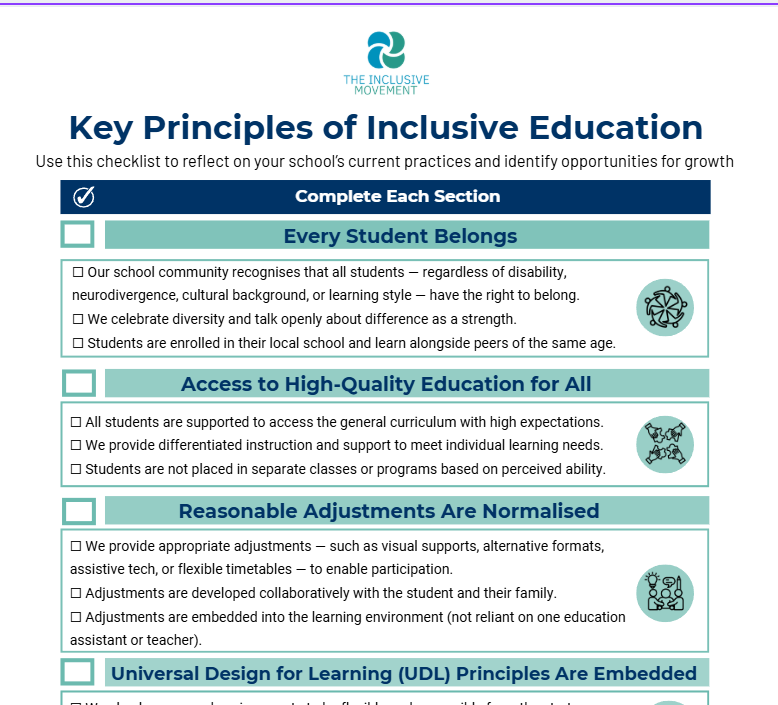
  • Checklist of key principles for inclusive education, including students belonging, access to high-quality education, reasonable adjustments, and universal design, with icons representing each section.

    Key Principles of Inclusive Education

    Core ideas that guide inclusive teaching and learning.

    Download

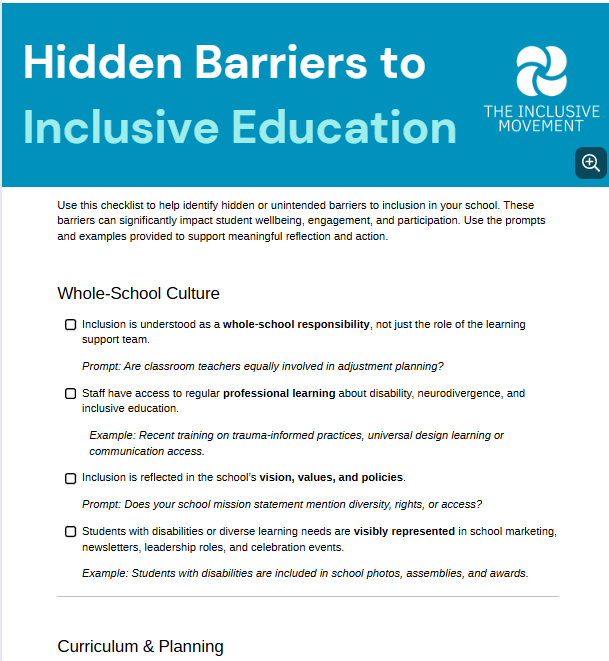
  • Checklist titled "Hidden Barriers to Inclusive Education" with sections on Whole-School Culture and Curriculum & Planning, including questions about school responsibility, staff access to professional learning, school mission statement, and representation of students with disabilities.

    Hidden Barriers to an Inclusive Education Checklist

    Identify and address unseen barriers in your environment.

    Download

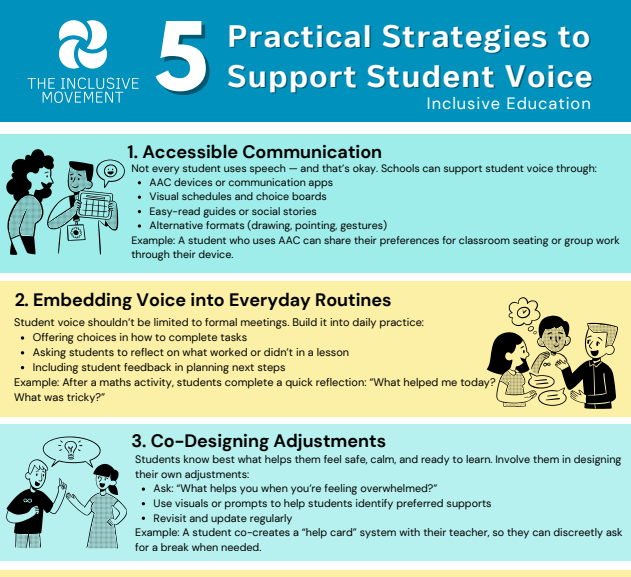
  • A poster titled '5 Practical Strategies to Support Student Voice' by The Inclusive Movement, with sections on accessible communication, embedding voice into routines, and co-designing adjustments.

    Practical Strategies to Support Student Voice

    Tools for elevating student perspectives in decision-making.

    Download

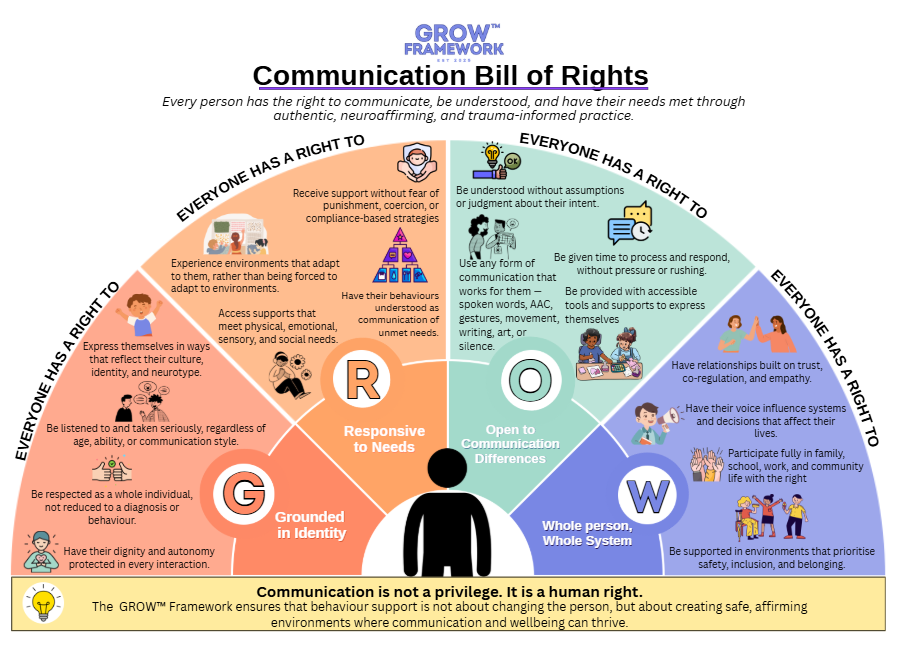
  • A visual chart titled 'Communication Bill of Rights' from the GROW Framework, illustrating the right to communication, understanding, and needs met through trauma-informed practices. It contains segments emphasizing everyone’s right to be understood without assumptions, to be listened to and respected, to express oneself in ways that reflect their culture, and to participate fully in their community. The chart highlights principles such as being responsive to needs, rooted in identity, open to communication differences, and whole persons in a whole system.

    Grow: Communication Bill of Rights Poster

    Promotes communication access and inclusion for all learners.

    Download

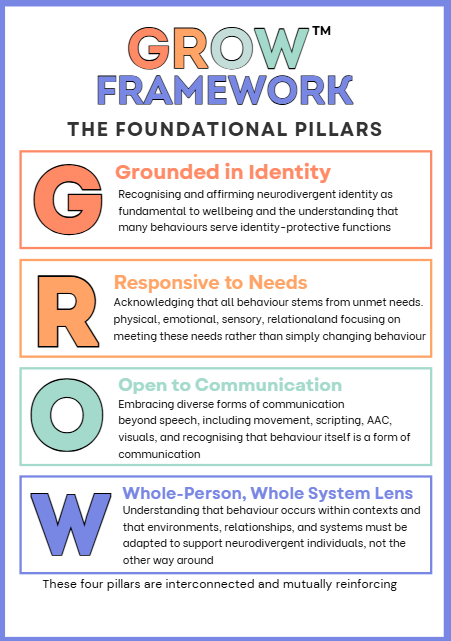
  • Diagram of GROW Framework's four foundational pillars: Grounded in Identity, Responsive to Needs, Open to Communication, and Whole-Person, Whole System Lens, each with brief descriptions.

    The Foundational Pillars: GROW Framework

    Poster summarising the key pillars of the GROW inclusion model.

    Download

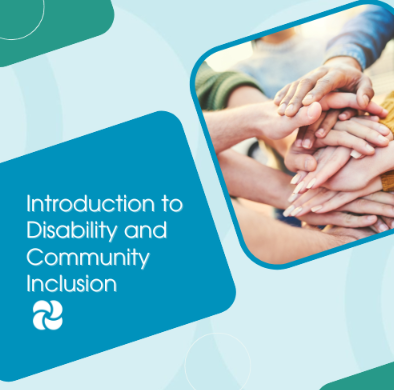
  • Cover of a presentation titled 'Introduction to Disability and Community Inclusion' with a photo of multiple hands stacked together.

    Introduction to Accessible Workplaces

    Learn how to create environments that support accessibility and inclusion.

    View Here

  • Circle of Inclusion

    A showcase project celebrating inclusion in action.


    Download

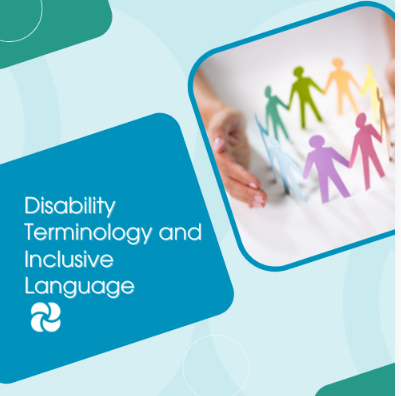
  • Cover slide for a presentation titled 'Disability Terminology and Inclusive Language,' featuring an image of colorful paper cutouts of people holding hands.

    Disability Terminology & Inclusive Language

    A short course for staff on respectful, person-centred language.

    Download

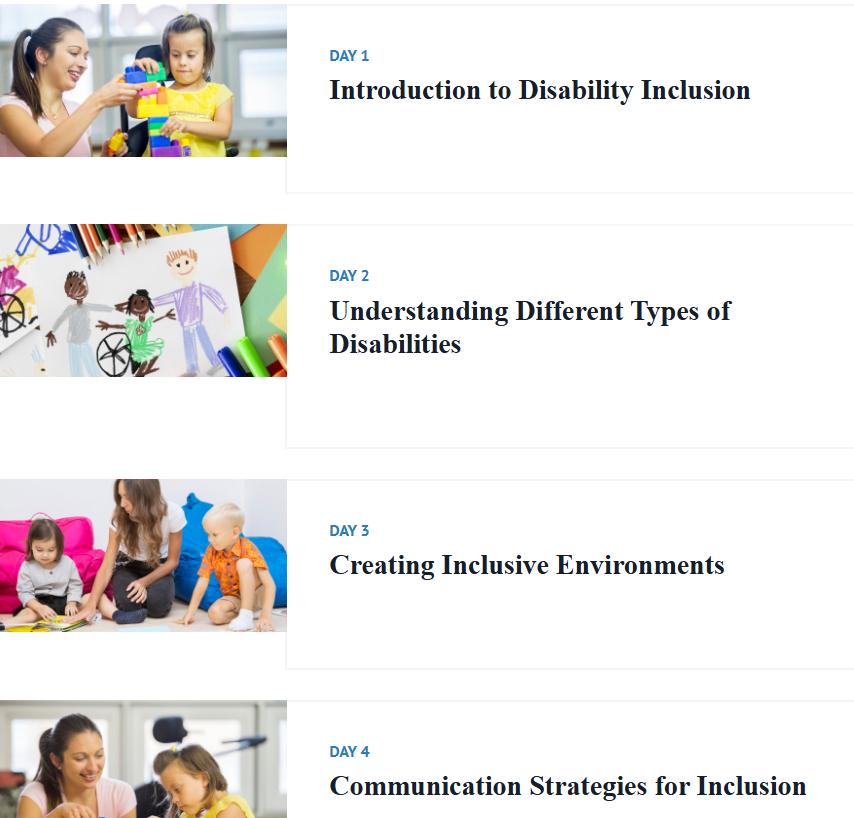
  • A schedule outlining a four-day course on disability inclusion, with images of children and adults engaging in inclusive activities and learning.

    5-Day Disability Inclusion Basics

    A foundational learning series for teams new to inclusion.

    Download

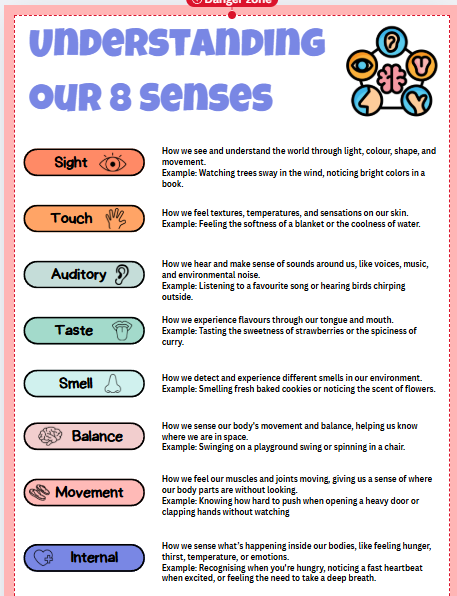
  • An infographic titled 'Understanding Our 8 Senses' explaining the eight senses: Sight, Touch, Auditory, Taste, Smell, Balance, Movement, Internal, with descriptions and examples for each sense.

    Understanding Our 8 Senses Sheet

    A guide to supporting sensory inclusion in the classroom.

    Download